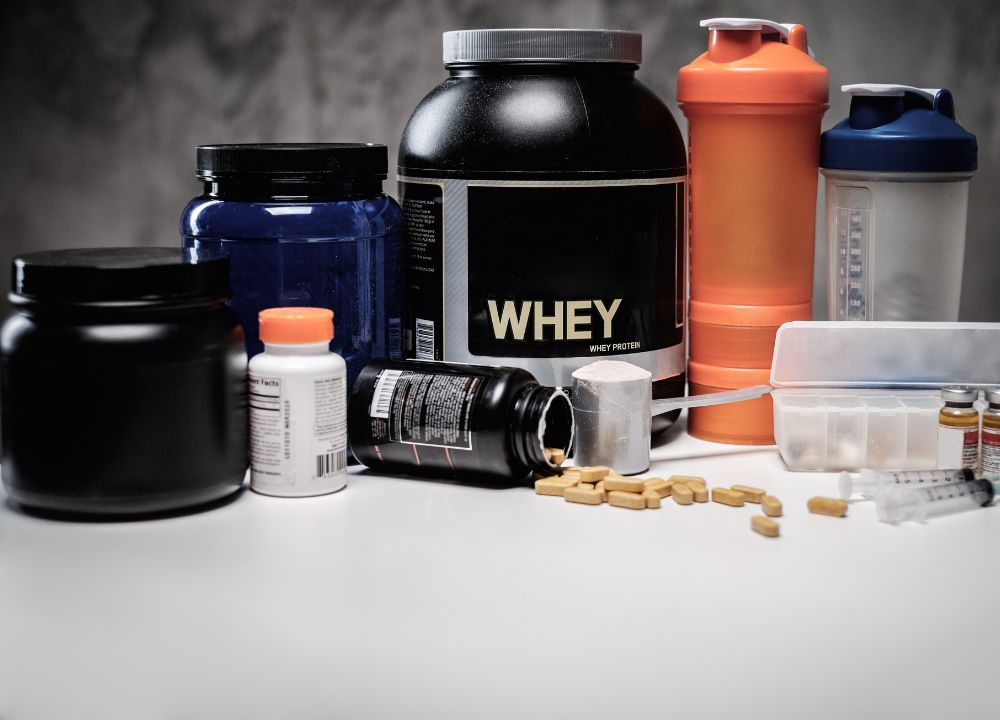

Creatine is one of the most researched supplements in existence, with decades of data behind it. It's also one of the most misunderstood. Most people picture it as a bodybuilding supplement for people who want to get bigger. That's a narrow and outdated view. Here's what creatine actually does, who it benefits, and whether it belongs in your routine.
What Creatine Actually Is
Creatine is a compound your body produces naturally from amino acids, primarily in the liver and kidneys. You also get small amounts from meat and fish. It's stored in muscles as phosphocreatine, where it plays a central role in the ATP energy system, the fastest energy system your body has.
When you do something explosive or high-intensity, your muscles draw on ATP (adenosine triphosphate) for fuel. That supply depletes quickly, within a few seconds. Phosphocreatine donates a phosphate group to regenerate ATP rapidly, allowing you to sustain high-intensity effort a bit longer before fatigue sets in.
Supplementing with creatine raises the phosphocreatine stores in your muscles beyond what diet alone provides. More phosphocreatine means faster ATP regeneration, which translates directly into performance.
What the Research Actually Shows
Creatine's performance benefits are among the most replicated findings in sports science. A consistent body of research shows that creatine supplementation improves:
Strength and power output. Creatine is most effective for short, explosive efforts: sprinting, jumping, heavy lifts, repeated bouts of high-intensity work. Studies show meaningful improvements in one-rep max and power output across a wide range of exercises and populations.
Muscle gain over time. Creatine supports muscle protein synthesis and improves the quality and volume of training someone can sustain. This compounds over weeks and months into more muscle mass. It's not immediate, and it's not magic, but the effect is real and consistent.
Recovery between efforts. By speeding ATP regeneration, creatine reduces the drop-off in performance during repeated high-intensity sets. You can do more work per session, which drives greater long-term adaptation.
Cognitive function. This is where it gets interesting beyond the gym. The brain also relies heavily on ATP, and creatine appears to support cognitive performance, particularly under conditions of mental fatigue, sleep deprivation, and stress. Several trials show improvements in tasks requiring short-term memory and fluid intelligence after creatine supplementation. Research into creatine's role in brain health and mood is actively expanding.
Who Benefits From Creatine
The short answer: most active people.
Creatine is most obviously beneficial for anyone doing strength training, team sports, interval work, or any activity with repeated explosive efforts. That covers a wide range of training styles.
Vegetarians and vegans see some of the largest benefits because they get little to no dietary creatine. Their baseline stores are lower, so supplementation raises levels more substantially.
Older adults are an increasingly recognized population for creatine research. Maintaining muscle mass and strength becomes harder with age, and creatine helps support both, particularly when combined with resistance training. There's also growing interest in its cognitive benefits for aging populations.
Creatine is not meaningful for activities that are primarily low-intensity or endurance-based, like long slow runs or extended steady-state cardio, because those activities don't rely heavily on the phosphocreatine system.
How to Take It
The effective dose is straightforward: 3 to 5 grams per day. That's it.
You may have heard about loading phases, taking 20 grams per day for a week before dropping to maintenance. Loading does accelerate how quickly your muscles reach full saturation. But the same saturation point is reached with consistent daily dosing over three to four weeks. The loading phase is optional and not necessary for long-term results.
Timing doesn't matter much. Some research suggests a slight advantage to taking it around your workout, either before or after, but the difference is small. Consistency matters more than timing. Take it daily, with or without food, at whatever time is easiest to remember.
Creatine monohydrate is the form used in most research and remains the gold standard. Fancier forms, creatine HCl, buffered creatine, ethyl ester, are typically more expensive and not better supported by evidence.
The Common Concerns
Does creatine cause water retention? Yes, in the short term. As muscle creatine stores fill, they draw water into the muscle cells. This shows up as a few pounds on the scale in the first week or two. This is intramuscular water in the muscle itself, not bloating, and it actually contributes to the cellular environment that supports muscle growth. It's not fat, and it's not harmful.
Is creatine safe? Yes. It is one of the most studied supplements available, with a strong safety record across decades of research in diverse populations including older adults, adolescents, and clinical patients.
Does it damage the kidneys? This concern persists despite being repeatedly investigated and not supported by evidence in healthy individuals. If you have pre-existing kidney disease, consult a doctor. For healthy people, the research consistently shows no adverse renal effects from standard doses.
Do you need to cycle on and off? No. There's no scientific basis for cycling creatine. Consistent daily use is both effective and safe long-term.
Frequently Asked Questions
How long does it take to feel the effects of creatine?
Without a loading phase, most people notice training performance improvements within three to four weeks of consistent daily use as muscle stores fully saturate. Some people notice modest changes sooner.
Will creatine help me lose weight?
Creatine doesn't directly promote fat loss. It supports training performance and muscle retention, which are both important for body composition over time. Don't expect the scale to drop immediately, it may actually go up slightly from the initial water drawn into muscles.
Is creatine only for young people?
No. Research on creatine in older adults is robust and growing. It supports muscle mass and strength in aging populations and may have cognitive benefits as well.
Can women take creatine?
Yes. The research on creatine includes women, and the benefits apply equally. Some studies suggest women may see particularly meaningful strength and recovery benefits. The concern that it causes unwanted bulk is not supported by evidence.
What if I already eat a lot of red meat?
Dietary creatine from food contributes to muscle stores, but even high meat consumption provides only one to two grams per day, well below the saturation level that supplementation achieves. Supplementing still raises stores meaningfully beyond what diet provides.
The Bottom Line
Creatine is not a niche supplement for serious lifters. It's a safe, well-researched, and affordable compound with real benefits for strength, power, muscle retention, and increasingly, cognitive health. If you train at any meaningful intensity, creatine is worth considering. Three to five grams of creatine monohydrate per day is all it takes.
For a deeper look at the research, including the brain and mood angle that often gets overlooked, the TFL post on creatine's benefits beyond the muscles and what the research says goes well beyond the basics. And if you want the full picture on dosing, timing, and what the evidence actually supports, the breakdown of the truth about creatine benefits, usage, and when it actually works is worth your time.