You can dial in your nutrition. You can train consistently. You can hit your protein targets every day. And if you're sleeping five or six hours a night, you're working against yourself in ways that make all of that significantly harder. Sleep is one of the most underrated variables in body composition, and most people are barely thinking about it. Here's what the research actually shows and why it matters more than you might think.
What Sleep Has to Do With Fat Loss
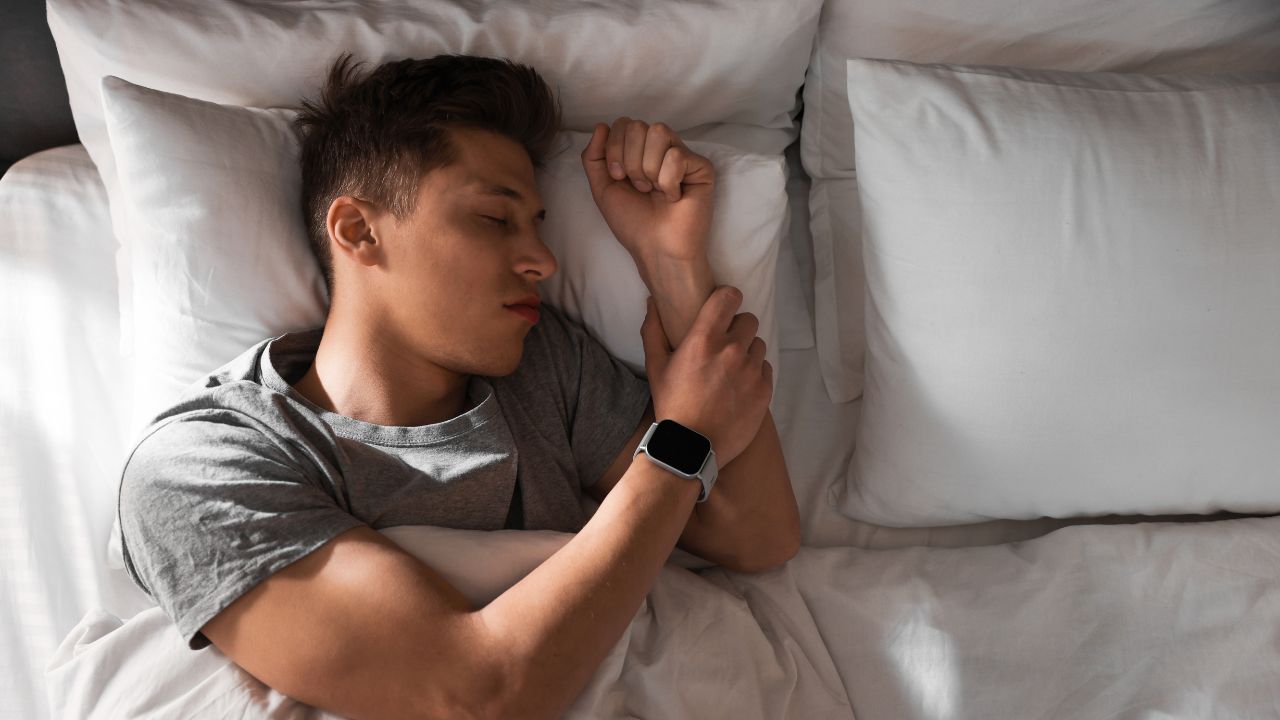
Sleep isn't passive. While you're sleeping, your body is doing real physiological work: repairing muscle tissue, regulating hormones, managing blood sugar, and consolidating the metabolic signals from the day.
When you cut sleep short, all of that is disrupted. And the disruptions don't just affect how tired you feel. They directly impact how your body stores and burns fat.
The Hormone Connection
Two hormones you need to understand in this context are ghrelin and leptin.
Ghrelin is your hunger hormone. It signals your brain that it's time to eat. Leptin is your satiety hormone. It signals that you've had enough. When you don't get enough sleep, ghrelin rises and leptin drops. You wake up hungrier, your body is less efficient at recognizing fullness, and you're more likely to overeat throughout the day.
This isn't a willpower problem. It's a hormonal one. Your biology is working against your goals because it didn't get the sleep it needed to regulate properly.
At the same time, cortisol, your primary stress hormone, increases with sleep deprivation. Elevated cortisol promotes fat storage, particularly in the abdominal region, and makes your body more likely to hold onto fat even when you're in a calorie deficit.
Sleep and Muscle Retention
Fat loss isn't just about burning calories. It's about preserving muscle while you lose fat. Sleep is critical for that.
Growth hormone, which plays a major role in muscle repair and recovery, is released primarily during deep sleep. When sleep is cut short or fragmented, you reduce the window for growth hormone secretion. The result is slower recovery, less muscle retention, and a body composition shift toward losing lean mass rather than fat mass.
If you're in a calorie deficit and sleep-deprived, a higher proportion of the weight you lose may come from muscle rather than fat. That's the opposite of what you're trying to accomplish.
How Poor Sleep Affects What You Eat
Sleep deprivation doesn't just make you hungrier. It changes what you want to eat.
Research consistently shows that sleep-deprived individuals show stronger cravings for calorie-dense, high-carbohydrate foods. Your brain's reward circuitry, particularly the regions that respond to food, becomes more active when you're under-slept. At the same time, the prefrontal cortex, the part of your brain responsible for impulse control and rational decision-making, shows reduced activity.
In plain terms: when you're tired, you want more food, you want worse food, and your ability to resist it is diminished. That's a combination that makes staying in a calorie deficit genuinely harder, not because you're undisciplined, but because your neurological and hormonal state is actively working against you.
What "Enough Sleep" Actually Means
Most adults need between seven and nine hours of sleep per night for optimal function. This isn't a soft guideline. Below seven hours, measurable impairments in metabolism, cognition, and hormonal regulation begin to appear.
Sleep quality matters as much as sleep quantity. Fragmented sleep, even if you're technically in bed for eight hours, doesn't deliver the same physiological benefits as consolidated, deep sleep. Deep and REM sleep stages are where the most important hormonal and metabolic work happens.
Factors that hurt sleep quality include alcohol consumption, eating too close to bedtime, screen exposure before sleep, inconsistent sleep and wake times, and high stress without adequate wind-down practices.
Practical Steps to Improve Sleep for Better Body Composition
You don't need to overhaul your life to sleep better. A few targeted changes make a significant difference.
Keep a consistent schedule. Going to sleep and waking up at roughly the same time every day, including weekends, is one of the most powerful things you can do for sleep quality. Consistency regulates your circadian rhythm.
Create a wind-down routine. The 30 to 60 minutes before bed matters. Dim the lights, reduce screen time, and do something that shifts your nervous system toward rest. A cold shower, light reading, or breathing exercises all work.
Watch late-night eating. Eating large meals close to bedtime can disrupt sleep quality. Finishing your last meal two to three hours before bed is a reasonable starting point.
Limit alcohol. Alcohol may help you fall asleep but it fragments sleep architecture significantly, reducing the quality of recovery.
Make your bedroom cool and dark. A cooler room temperature promotes deeper sleep. Blackout curtains or a sleep mask make a meaningful difference for many people.
Frequently Asked Questions
Can poor sleep really make me gain fat even if I'm eating right?
Yes. Poor sleep disrupts the hormones that regulate hunger and satiety, increases cortisol which promotes fat storage, and increases cravings for high-calorie foods. Even with good nutrition, sleep deprivation makes fat loss harder and fat gain easier.
How many hours of sleep do I need to support fat loss?
Seven to nine hours is the evidence-based range for most adults. Below seven hours, significant hormonal and metabolic disruptions begin to emerge that work directly against fat loss goals.
Does sleep deprivation affect muscle building the same way?
Yes. Growth hormone is primarily secreted during deep sleep. Poor sleep reduces both muscle repair and retention, which is especially problematic if you're trying to improve body composition rather than just lose weight.
What if I can't sleep more due to my lifestyle?
Prioritize sleep quality over quantity when duration is limited. Consistent sleep and wake times, a dark and cool sleep environment, and a wind-down routine improve the quality of the sleep you do get.
Is napping useful for fat loss?
A short nap of 20 to 30 minutes can help offset some cognitive effects of sleep deprivation, but it doesn't fully replace the hormonal benefits of consolidated nighttime sleep. It's a supplement, not a substitute.
The Bottom Line
Sleep isn't optional when your goals involve body composition. It's where your hormones reset, your muscles repair, your hunger signals calibrate, and your recovery actually happens. If you're training hard, eating well, and still not seeing results, look at your sleep before you change anything else. It may be the one variable doing the most damage.
For a deeper look at how your fitness routine and sleep interact, the TFL post on whether your fitness plan is helping or hurting your sleep covers what most people get wrong about training and rest. And if stress is another variable in the mix, the breakdown of how stress is sabotaging your weight loss goals is worth reading alongside this one.